Chronic Medical Condition Management
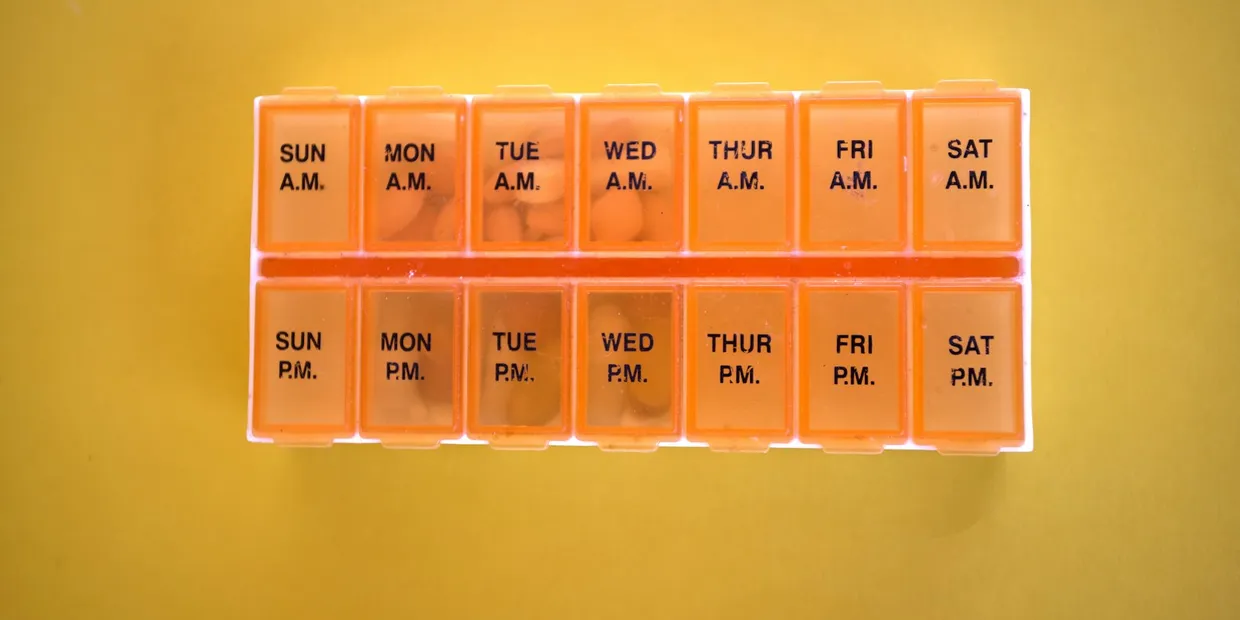
Bring your medication bottles or an up-to-date medication list, along with any blood pressure or blood sugar logs, to your follow-up visit. Tell us about any symptoms you’ve noticed since your last visit. We’ll review your readings and medications and answer your questions. We also offer nutrition consultations to help you plan meals that fit your health needs and daily routine.
On this page
Why follow-up visits matter
Chronic conditions such as COPD, diabetes, high blood pressure, high cholesterol, heart disease, depression, anxiety, and stroke require ongoing care. If you’ve been hospitalized, please follow up with us within 3–5 days after you leave the hospital.
At SimrikMed, our chronic condition management visits include a review of your symptoms, medications, and any blood pressure or blood sugar readings you track at home. Bring your medication list or your medication bottles, along with your home logs. We can order tests, adjust treatment, and refer you to a specialist when needed. We also offer nutrition consultations. Follow-up visits are available in the office or by telehealth. We offer same-day appointments and welcome walk-ins.
1. Bring readings, measured the right way
Blood pressure
Home readings are only useful if they are taken consistently. CDC recommends:
- No eating, drinking, smoking, caffeine, alcohol or exercise in the 30 minutes before.
- Empty your bladder, then sit with your back supported and feet flat for at least 5 minutes.
- Rest your arm on a table with the cuff on bare skin at chest height, and don’t talk during the reading.
- Take at least two readings a minute or two apart, at the same time each day, and write them down.
CDC also notes that some people have higher readings in a clinic than at home, which is one reason home logs are valuable.
Blood sugar
If you check glucose at home, bring your meter, app or written log. NIDDK and CDC describe common targets for many people with diabetes, such as 80 to 130 mg/dL before meals. Your own targets may differ, so use the ones your provider gave you. Note any readings below 70 mg/dL and what you were doing at the time, as these are considered low.
2. Review every medicine
Bring an up-to-date list of everything you take, including prescription medicines, over-the-counter medicines, vitamins, supplements, and herbal products. You can also bring the medication bottles instead of a list. At the visit, it is reasonable to ask:
- Do I still need each of these medicines?
- Am I taking each one correctly and at the right time?
- Could any of them interact with each other?
If you take several medicines or get prescriptions from different providers, you may be at higher risk of drug interactions and side effects. Regular visits help your provider check for duplicate prescriptions and make sure each medicine is still right for you. If you notice side effects, talk to your provider before stopping a medicine or changing your dose.
3. Note symptoms and changes
Write down anything new since your last visit, such as dizziness, swelling, unusual thirst, changes in vision, numbness in your feet, sleep problems or mood changes. Also note life changes that affect your routine, like a new job, travel or illness.
4. Prepare your questions
Write down your two or three most important questions and ask those first.
- What blood pressure or blood sugar range should I aim for? What should I do if my readings are too high or too low?
- When should I have my A1c and cholesterol levels checked?
- Am I due for a mammogram to screen for breast cancer or a Pap smear test to screen for cervical cancer?
- Is it time for colorectal cancer screening? Would a colonoscopy or a stool test such as Cologuard be right for me?
- Am I due for a flu shot, a pneumonia vaccine, or a tetanus booster (Td or Tdap)?
Call SimrikMed Primary Care at (727) 606-3350 to schedule your follow-up visit or ask about screenings and vaccines.
Sources and further reading
- Measuring Your Blood Pressure (opens in a new tab) — Centers for Disease Control and Prevention. Accessed .
- Managing Diabetes (opens in a new tab) — National Institute of Diabetes and Digestive and Kidney Diseases (NIH). Accessed .
- Manage Blood Sugar (opens in a new tab) — Centers for Disease Control and Prevention. Accessed .
- Taking multiple medicines safely (opens in a new tab) — MedlinePlus, National Library of Medicine. Accessed .
- Take Charge of Your Health Care (opens in a new tab) — MyHealthfinder, Office of Disease Prevention and Health Promotion (HHS). Accessed .
These above articles provide general health information only. It is not medical advice and does not replace an evaluation by a licensed healthcare provider. In a medical emergency, call 911 immediately or go to the nearest emergency department.
Related SimrikMed services
Related articles
Testing & Diagnostics
Understanding Lab Orders, Results and Follow-Up
How lab orders work, what reference ranges and flags on a lab report mean, and why your results are best reviewed with the provider who ordered them.

Telehealth
Telehealth or an In-Office Visit? How to Choose
When a video or phone visit makes sense, when you need to be seen in person, and when neither is right because you need emergency care.
Primary Care
Wound Care: What to Expect and When to Seek Help
First steps for minor cuts, which wounds need a clinician, signs of infection to watch for, tetanus questions and what a wound care visit involves.