Your First Primary Care Visit: What to Bring and What to Expect
A practical checklist for a first primary care appointment: records and medicine lists to gather, questions to prepare, and what happens next.

On this page
The short answer: bring a complete list of your medicines and allergies, any recent records or test results, and two or three questions you most want answered. A first primary care visit is mostly about getting to know you. That means your history, your current concerns and your goals, so that later visits can build on it. This guide covers what to gather, what usually happens in the room, and what to do afterward, whether you are new to the Dunedin area or simply new to a primary care practice.
What a primary care provider does
A primary care provider (PCP) is the clinician you see first for non-emergency health needs. That covers prevention and screening, everyday illnesses, ongoing conditions, and deciding when you need a specialist. PCPs include family medicine physicians, internists and pediatricians, as well as nurse practitioners and physician assistants. Seeing the same practice over time means your provider can notice changes and keep your care connected.
Before the visit: what to gather
You do not need a perfect file, but the more your provider can see at the first visit, the less guesswork there is. Useful items:
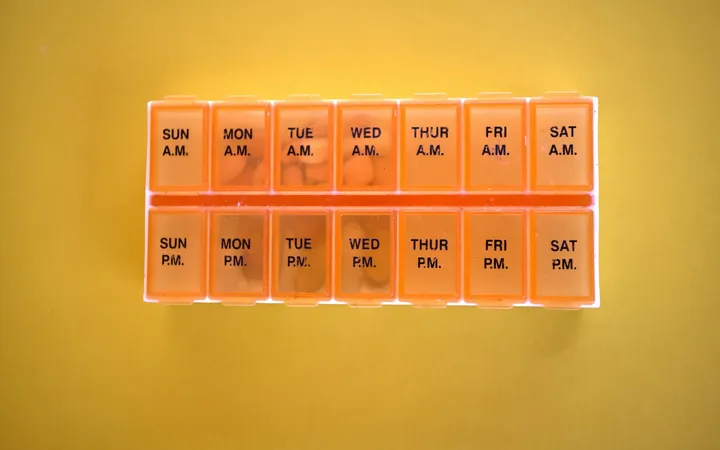
- A complete medicine list. Include prescriptions, over-the-counter medicines, vitamins, supplements and herbal products, with the dose and what each one is for. Bringing the bottles works too.
- Allergies and past reactions, including reactions to medicines, foods or latex.
- Past conditions, surgeries and hospital stays, with approximate dates.
- Family history of conditions such as heart disease, diabetes or cancer, if you know it.
- Vaccination dates and recent screening results, if you have them.
- Contact details for other clinicians you see and your pharmacy.
- Photo ID and any forms you have been asked to complete.
If records are held by a previous practice, ask that office how to request a copy before your appointment.
Write down your top questions
Visits can feel short, and it is easy to forget what you meant to ask. Write your questions down and put the two or three most important first, so they get answered even if time runs out. For each symptom, note when it started, how often it happens, and what makes it better or worse.
You can bring a trusted friend or family member to take notes. If you would like an interpreter, ask the office in advance.
What usually happens during the visit
A first visit generally includes:
- A history review. You will talk through your current concerns, past health, medicines, allergies and family history.
- Vital signs. Height, weight, blood pressure and similar measurements.
- An examination suited to the reason for your visit. SimrikMed’s physical exam service describes the general evaluation, history review and mobility checks a provider may include.
- A plan. This might include lab work, screening, a prescription, a referral or simply a follow-up date. Some needs, such as an ongoing condition, are addressed over several visits rather than all at once.
Be open about habits such as smoking, alcohol, diet, sleep and stress. Your provider needs an accurate picture to give useful advice. If something is unclear, ask for it to be explained again or written down.
Questions to ask the office
MyHealthfinder suggests a few practical questions when you join a practice. For example:
- How do I reach the office with a question after my visit, and how quickly should I expect a reply?
- How will I receive test results?
- Are telehealth visits available for some concerns?
- Can lab work or imaging be arranged from this office, and where is it done?
At SimrikMed, existing patients use the Patient Portal (linked in the site header) for health questions and records. The website contact form is for general questions only.
After the visit
Before you leave, make sure you know what happens next. That may be a follow-up date, a lab order, a referral or instructions to try at home. Keep your updated medicine list and share it with every clinician and pharmacist you see. If you notice side effects or forget to ask something, contact the office rather than waiting for the next appointment.
When a primary care appointment is not the right place
Primary care is for non-emergency needs. Some symptoms need emergency care now, including chest pain or pressure, trouble breathing, sudden weakness or drooping on one side of the face, sudden trouble speaking or seeing, or bleeding that will not stop.
Next step
If you are ready to establish care, read how to book a SimrikMed appointment or see the services that usually start a primary care relationship, such as an annual preventive visit with blood work.
Sources and further reading
- Choosing a primary care provider (opens in a new tab) — MedlinePlus, National Library of Medicine. Accessed .
- Talking With Your Doctor (opens in a new tab) — MedlinePlus, National Library of Medicine. Accessed .
- Take Charge of Your Health Care (opens in a new tab) — MyHealthfinder, Office of Disease Prevention and Health Promotion (HHS). Accessed .
- Taking multiple medicines safely (opens in a new tab) — MedlinePlus, National Library of Medicine. Accessed .
- Choosing a Doctor: Quick Tips (opens in a new tab) — MyHealthfinder, Office of Disease Prevention and Health Promotion (HHS). Accessed .
- When to use the emergency room - adult (opens in a new tab) — MedlinePlus, National Library of Medicine. Accessed .
These above articles provide general health information only. It is not medical advice and does not replace an evaluation by a licensed healthcare provider. In a medical emergency, call 911 immediately or go to the nearest emergency department.
Related SimrikMed services
Related articles

Preventive Care
Preventive Care Visits: What to Discuss With Your Provider
How to use a yearly preventive visit well: which screenings and vaccines to ask about, what history to share and how to leave with a plan.

Patient Resources
How to Book a SimrikMed Appointment and Prepare for It
Step-by-step: choosing the right service, requesting an office visit through the patient portal, what to bring and how to reach us.
Primary Care
Chronic Medical Condition Management
Bring your medications or medication list and any blood pressure or blood sugar logs to your follow-up visit. We review your readings and medicines.